
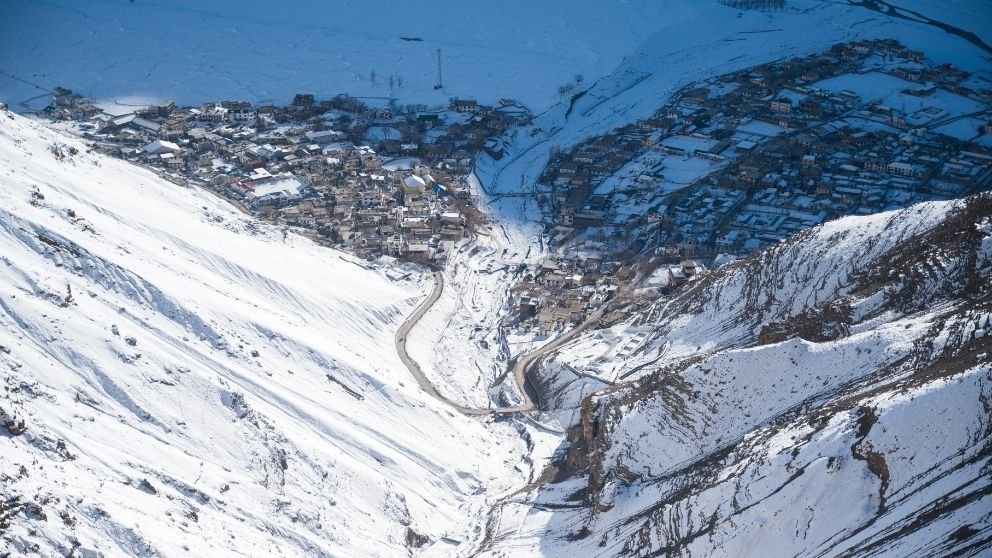
Imagine waking up in Spiti Valley to snow-covered mountains, frozen landscapes and villages where life moves at a completely different pace. No busy tourist crowds, no packed sightseeing spots, just the quiet beauty of the Himalayas in winter.
That’s what makes Spiti Valley in January so fascinating. But there’s another side to this experience that every traveller should understand before planning a trip.
January is one of the coldest and most challenging months in Spiti. Temperatures can fall far below freezing, roads may close without much warning, and even basic facilities work differently compared to the summer months.
So, is January a good time to visit Spiti Valley? Can you reach Kaza? Will you experience snowfall? And what places can you actually explore?
Here’s what you should know before making your travel plans.
What Is Spiti Valley Like in January?
Spiti Valley looks completely different in January compared to the popular summer season.
The brown mountains and rocky landscapes are often covered with snow, especially at higher elevations. Rivers and streams may partially freeze, small villages become quieter, and the usual tourist activity slows down considerably.
But don’t expect every road or village to be covered with fresh snow throughout the month. Snowfall depends on weather conditions, altitude and the timing of western disturbances.
Some days may have clear blue skies and beautiful sunshine, while others may bring snowfall, strong winds and extremely cold temperatures.
One of the most interesting parts of visiting Spiti during January is experiencing local winter life. Villagers continue their daily routines despite the freezing conditions, and staying in a local homestay can offer a glimpse of a side of Spiti that most summer travellers never see.
January is less about covering every tourist attraction and more about experiencing the real Himalayan winter.
Spiti Valley Temperature in January
The weather is probably the biggest factor to consider before travelling.
January brings extremely cold conditions to Kaza, Tabo and the surrounding high-altitude villages. Night temperatures can fall to around -15°C to -20°C or even lower during severe cold spells, depending on the location.
Daytime temperatures may also remain below freezing, particularly during cloudy or snowy weather.
Here’s what these conditions mean for travellers:
- Water pipes and taps may freeze overnight.
- Mobile phone batteries can drain much faster.
- Roads may develop black ice, especially in shaded areas.
- Strong winds can make the weather feel significantly colder.
- Ordinary winter jackets may not provide sufficient protection.
- Heating and hot-water facilities can be limited in remote accommodation.
Even when the sun is shining, the air can feel extremely cold. Proper winter clothing is essential throughout the journey.
Does It Snow in Spiti Valley in January?
Yes, January is part of Spiti Valley’s main winter season, and snowfall is possible throughout the month.
Kaza and the surrounding villages can experience snowfall, while higher-altitude areas such as Kibber, Langza, Hikkim and Komic may have substantial snow accumulation.
However, snowfall is never guaranteed during specific travel dates.
If you’re planning your visit mainly to witness fresh snowfall, keep your schedule flexible. Snow can make the valley beautiful, but the same snowfall can also block roads and prevent you from reaching certain locations.
Remember that seeing snow-covered mountains and experiencing active snowfall are two different things.
Is Spiti Valley Open in January?
This is one of the most important questions for anyone planning a winter trip.
Spiti Valley is not completely closed in January, but access is limited and weather-dependent.
There are two major routes to Spiti Valley:
1. Shimla to Spiti Valley via Kinnaur
This is the main route used to approach Spiti during winter.
The route generally follows:
Shimla → Narkanda → Rampur → Reckong Peo → Pooh → Nako → Tabo → Kaza
Unlike the Manali route, this road does not require crossing Kunzum Pass, making it the more practical approach during winter.
However, that doesn’t mean it remains open every day.
Heavy snowfall, landslides, falling rocks and icy road conditions can temporarily interrupt travel. Some sections may remain blocked until road-clearing teams restore access.
The journey should therefore be planned over multiple days, with overnight stops and sufficient flexibility.
2. Manali to Spiti Valley via Kunzum Pass
The Manali–Kaza route generally remains closed during January because of heavy snow around Kunzum Pass and the surrounding high-altitude sections.
This means you should not plan to enter Spiti from Manali or complete the popular Shimla–Spiti–Manali circuit in January.
Chandratal Lake is also not part of a normal January road trip, as its access routes remain snowbound.
Our advice: Always confirm the latest road conditions with the local administration before starting your journey. Never rely only on the fact that the road was open the previous day.
How to Reach Spiti Valley in January
If you’re travelling from Mumbai, Delhi, Bangalore, Chennai, Hyderabad or another Indian city, you can first reach Chandigarh by flight or train.
From Chandigarh, continue towards Shimla and then follow the Kinnaur route towards Kaza, provided the road conditions allow travel.
You should consider travelling in a suitable vehicle with an experienced local driver who understands Himalayan winter conditions.
A vehicle being a 4×4 does not automatically make a snowy or icy road safe. Local road knowledge, weather awareness and the decision to turn back when necessary are equally important.
Avoid planning tight travel schedules or booking a return flight immediately after your expected arrival from Spiti. Weather-related delays can happen.
Places to Visit in Spiti Valley During January
Unlike summer, winter sightseeing depends entirely on road accessibility.
Some locations can be explored when conditions are suitable, while others may remain inaccessible for days or even weeks.
Kaza – The Heart of Spiti Valley
Kaza is the main town of Spiti and a common base for travellers visiting the valley.
In January, the town becomes quieter, with fewer tourist vehicles and limited accommodation options compared to summer.
The surrounding snow-covered mountains and traditional houses create a beautiful winter atmosphere.
You can spend time exploring the town, enjoying local food and experiencing the slower pace of life in Spiti.
Key Monastery
Key Monastery is among the most recognisable landmarks in Spiti Valley.
Situated on a hill overlooking the valley, the monastery can look especially beautiful against the winter landscape.
A visit may be possible when the road from Kaza is accessible and the monastery is receiving visitors. Confirm conditions locally before leaving.
Kibber and Chicham
Kibber and Chicham are known for their dramatic high-altitude landscapes.
Winter transforms this region into a remote, snow-covered environment. However, roads towards these villages can become difficult or completely inaccessible after snowfall.
Do not treat these villages as guaranteed sightseeing stops during January.
Langza, Hikkim and Komic
These famous high-altitude villages are popular during the regular tourist season, but reaching them in January can be particularly challenging.
The roads are exposed to extreme weather, and heavy snow may prevent vehicle access.
If the roads are not safe, it’s better to enjoy the accessible parts of Spiti rather than trying to reach every village on a planned checklist.
Tabo and Nako
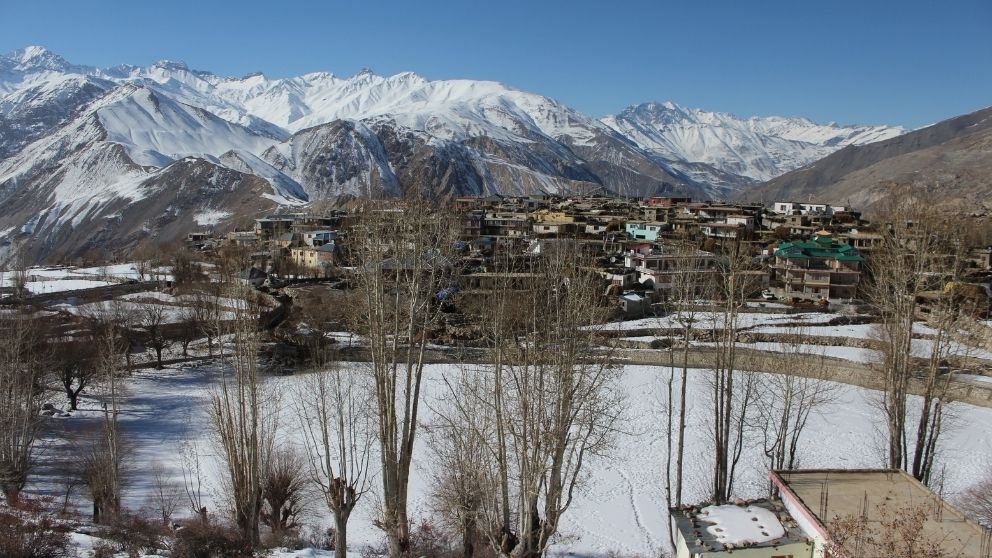
Tabo and Nako lie along the Shimla–Kinnaur approach to Spiti and can be worthwhile stops when the road is operational.
Tabo is known for its historic monastery, while Nako offers a beautiful Himalayan village setting.
Both places experience very cold conditions during January, so accommodation and travel arrangements should be confirmed in advance.
Can You Do a Spiti Valley Bike Trip in January?
If you’re planning a motorcycle adventure, January is generally not a suitable month for a regular Spiti bike tour.
Sub-zero temperatures, snow-covered roads, black ice and unpredictable closures make motorcycle riding significantly more dangerous.
Even experienced riders can struggle with traction on icy sections, while freezing conditions can affect physical endurance and concentration.
At Spiti Riders, we believe a Himalayan adventure should be memorable for the right reasons, not because travellers were pushed into avoidable risks.
For travellers interested in snow-covered landscapes, we generally recommend exploring our late-winter travel options from March to around 20 April, subject to road and weather conditions.
For regular guided motorcycle tours, our seasonal departures run from March to October, with the exact route depending on the time of year.
You can explore our Spiti Valley Bike Tour Packages to choose a more suitable riding period.
Accommodation and Food in Spiti During January
Finding a comfortable place to stay requires more planning in January.
Many hotels and guesthouses operate seasonally, while some local homestays remain available during winter.
Before confirming your stay, ask about:
- Room heating and the type of heating provided.
- Availability of drinking water and usable bathroom facilities.
- Hot water and meal arrangements.
- Road access to the property.
- Power backup and communication facilities.
Some properties may provide traditional heating arrangements rather than conventional hotel-style heating.
Simple meals, tea, soups and local food can be an enjoyable part of the winter experience, but restaurant choices may be limited.
It’s better to book and confirm accommodation before reaching a remote village rather than searching after sunset.
Important Things to Carry for January
Packing properly can make a major difference to your comfort and safety.
Warm clothing: Carry thermal base layers, fleece or woollen mid-layers, a heavy insulated jacket, warm trousers, gloves, woollen socks and a cap.
Winter footwear: Wear insulated shoes or boots with good grip. Ordinary sports shoes may be unsuitable on snow and ice.
Personal essentials: Keep sunscreen, sunglasses, lip balm, moisturiser, personal medication and a basic first-aid kit.
Electronics: Carry a power bank and protect your batteries from prolonged exposure to freezing temperatures.
Cash and identification: Keep sufficient cash, a valid photo ID and any travel permits applicable to your nationality and route.
Medical preparation: Spiti is a high-altitude destination. Ascend gradually and allow your body time to acclimatise. Headache, nausea and dizziness can be signs of altitude sickness; worsening symptoms require prompt medical attention and descent rather than continuing higher.
Also remember that mobile connectivity and internet services can be unreliable in remote areas, particularly during bad weather.
How Many Days Are Needed for Spiti in January?
For a winter trip through the Shimla–Kinnaur route, it’s sensible to allow at least 8–10 days from Chandigarh, preferably with additional buffer days.
An indicative journey could include travelling from Chandigarh to Narkanda, continuing through Kinnaur to Tabo and Kaza, spending time around accessible parts of Spiti, and returning through the same route.
However, this should not be treated as a fixed January itinerary. Heavy snow can disrupt a route at any point, and travel plans may need to be changed or cancelled.
Avoid rushing from one destination to another. The journey should be planned around safe road access, proper acclimatisation and available accommodation.
Is January the Best Time to Visit Spiti Valley?
That depends on the kind of experience you’re looking for.
January may appeal to travellers who want to witness extreme Himalayan winter conditions, enjoy remote landscapes, experience local village life and accept the possibility of delays or changes.
But if you’re visiting Spiti for the first time and want a comfortable road trip, easy sightseeing, Chandratal Lake, mountain passes or a motorcycle expedition, January is not the ideal choice.
For a more practical winter experience with the possibility of snow, March and early April may be better options, although conditions can still be challenging.
For a wider choice of accessible routes and conventional sightseeing, the warmer travel season is generally preferable.
Frequently Asked Questions About Spiti Valley in January
1. Can tourists visit Spiti Valley in January?
Yes, travel may be possible through the Shimla–Kinnaur route when road conditions permit. However, winter access is uncertain, and travellers must prepare for extreme cold and possible closures.
2. Is there snowfall in Kaza in January?
Snowfall is possible in Kaza during January, but fresh snowfall on specific dates cannot be guaranteed. Snow accumulation varies depending on weather conditions.
3. Is the Manali to Kaza road open in January?
Normally, no. The road through Kunzum Pass generally remains closed because of winter snowfall.
4. Can I visit Chandratal Lake in January?
Chandratal is not normally accessible by road during January. The lake approach remains affected by heavy winter snow, and the regular camping season is over.
5. Is January safe for a Spiti Valley bike trip?
We do not recommend January for a conventional motorcycle tour. Snow, black ice, severe cold and unpredictable road closures create substantial risks.
6. Are hotels open in Spiti during January?
Some homestays and limited accommodations may operate, but many seasonal hotels close for winter. Advance confirmation is important.
7. Which is better for Spiti: January or March?
January offers a more extreme winter environment, while March can provide a more manageable opportunity to experience snowy landscapes. Neither month guarantees clear roads or full sightseeing access.
Final Thoughts: Should You Plan Spiti Valley in January?
Spiti Valley in January can be extraordinary, but it is not an ordinary mountain holiday.
The beauty of the frozen landscape comes with genuine challenges. Roads can close, temperatures can become extreme, and everyday comforts may not be available.
If your main goal is to experience Spiti’s winter environment, plan carefully, keep flexible dates and travel with people who understand local conditions.
But if you’re looking for snow-covered Himalayan scenery without deliberately choosing the harshest part of winter, consider travelling later in the season.
At Spiti Riders, we prefer recommending the right travel season rather than encouraging every adventure at any cost.
For a winter journey by private vehicle, explore our Winter Spiti Tour Packages, generally planned from March to around 20 April, subject to weather and road accessibility.
And if your dream is to explore Spiti on a Royal Enfield, discover our guided Spiti Bike Tour Packages and choose a departure that suits the riding experience you’re looking for.
The Himalayas are always worth exploring. Choosing the right time makes the journey even better.