
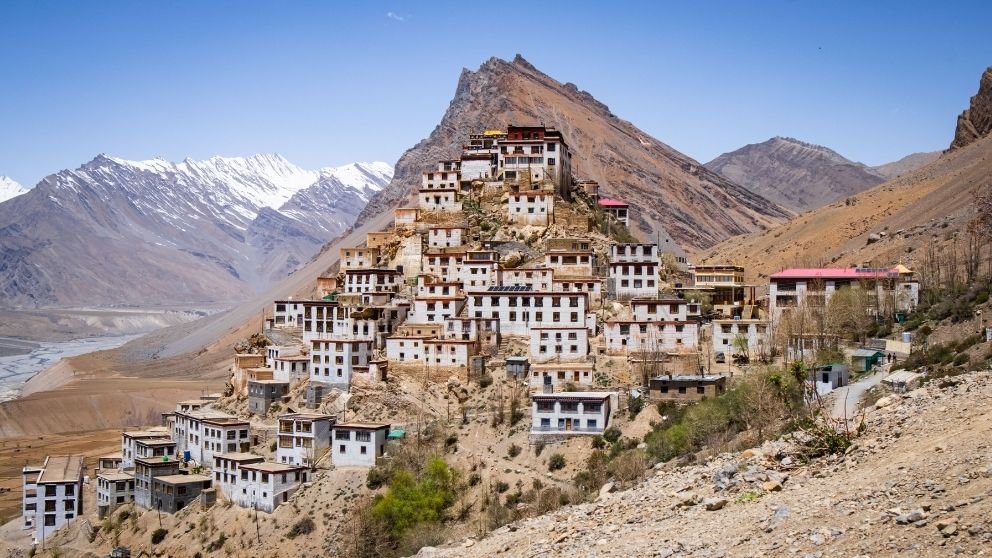
Planning a trip to Spiti Valley but only have five days? You can still experience the dramatic landscapes, ancient monasteries, peaceful villages, and breathtaking mountain roads of Spiti with a carefully planned itinerary.
A 5-day Spiti Valley itinerary from Shimla is ideal for travellers who want a short Himalayan road trip without spending an entire week or more travelling. Although five days won’t be enough to explore every corner of Spiti, you can visit several of its major attractions, including Kalpa, Nako, Tabo, Dhankar, Kaza, and Key Monastery.
The journey from Shimla takes you through the beautiful Kinnaur Valley before entering the cold desert landscapes of Spiti. Along the way, you’ll witness changing scenery, from green forests and apple orchards to rugged mountains, winding roads, and traditional Himalayan villages.
In this guide, we’ll cover a practical five-day itinerary, approximate driving distances, places to visit, accommodation options, road conditions, and important travel tips.
Spiti Valley 5 Days Itinerary – Quick Overview
| Day | Route | Overnight Stay |
|---|---|---|
| Day 1 | Shimla → Narkanda → Rampur → Kalpa | Kalpa |
| Day 2 | Kalpa → Nako → Tabo | Tabo |
| Day 3 | Tabo → Dhankar → Kaza → Key Monastery | Kaza |
| Day 4 | Kaza → Nako → Kalpa | Kalpa |
| Day 5 | Kalpa → Rampur → Narkanda → Shimla | Trip Ends |
Total distance: approximately 900–1,000 km, including local sightseeing. This is a fast-paced round trip with four nights of accommodation. Distances and driving times vary with detours and road conditions.
Day 1: Shimla to Kalpa – Enter the Beautiful Kinnaur Valley
Distance: Approximately 240–250 km | Driving Time: 9–11 hours | Night Stay: Kalpa
Your Spiti Valley road trip begins in Shimla, one of the most popular hill stations in Himachal Pradesh.
Start early in the morning, ideally around 6 AM, because the journey to Kalpa is long and includes several narrow mountain roads.
The first part of the drive takes you towards Narkanda, a peaceful mountain town surrounded by pine and deodar forests. As you continue towards Rampur Bushahr, the landscape gradually changes, revealing deep valleys and the Sutlej River.
After Rampur, you’ll enter Kinnaur, a region known for its dramatic mountain scenery, apple orchards, and traditional villages.
Places to See Along the Way
- Narkanda: Take a short breakfast break and enjoy the mountain scenery.
- Rampur Bushahr: A convenient stop for lunch or refreshments.
- Sutlej River Valley: Enjoy beautiful views of the river flowing between towering mountains.
- Kinnaur Valley: Experience dramatic cliffside roads and traditional Himalayan landscapes.
By evening, reach Kalpa, a beautiful village overlooking the mighty Kinner Kailash mountain range.
If the weather is clear, you may witness stunning views of the snow-covered peaks during sunset.
Travel tip: Avoid adding Chitkul or Sangla on this day. They are beautiful destinations, but the additional driving makes an already long journey more tiring.
Day 2: Kalpa to Tabo via Nako – Welcome to Spiti Valley
Distance: Approximately 160–170 km | Driving Time: 6–8 hours with stops | Night Stay: Tabo
Wake up early and enjoy the spectacular views of the Kinner Kailash range before continuing towards Spiti Valley.
Today’s journey takes you through some of the most fascinating landscapes in the region.
As you leave Kalpa and travel towards Pooh and Nako, the green mountains of Kinnaur gradually transform into the dry, rugged terrain for which Spiti is famous.
One of the most memorable parts of this drive is the changing Himalayan landscape.
Stop at Nako Village
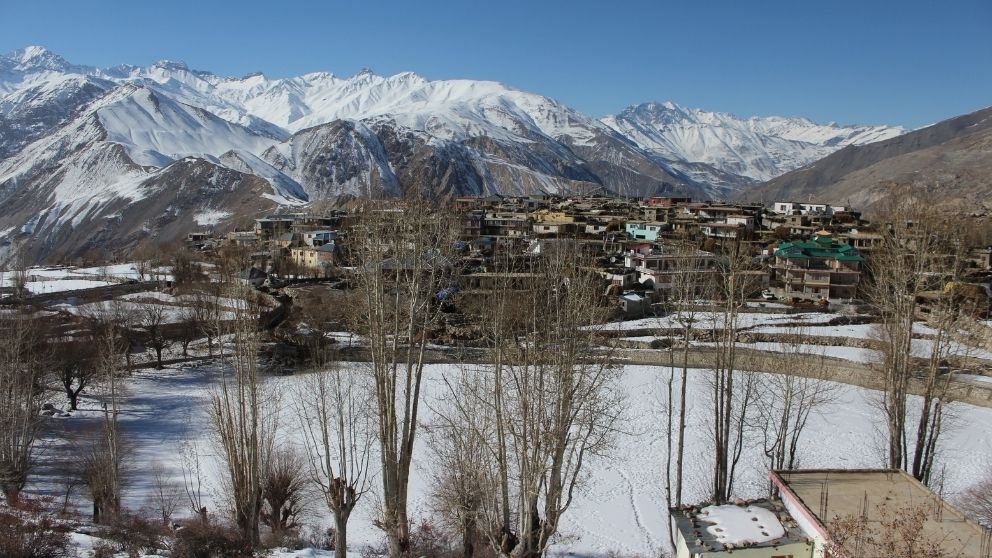
Nako is a small Himalayan village located at approximately 3,600 metres above sea level.
The village is famous for its peaceful lake, traditional houses, and surrounding mountain views.
Spend some time exploring Nako Lake, taking photographs, and enjoying the quiet atmosphere.
After Nako, continue towards Sumdo and enter Spiti Valley.
Explore Tabo Monastery
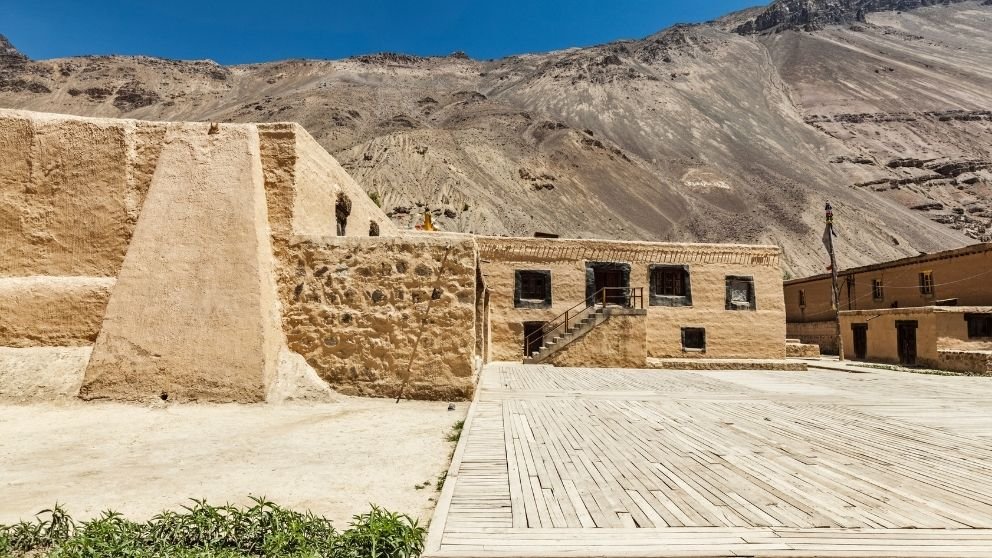
Your destination for the day is Tabo, a small village known for one of the oldest surviving Buddhist monastic complexes in the Himalayan region.
Founded in 996 AD, Tabo Monastery is famous for its ancient wall paintings, Buddhist sculptures, and historical significance.
Unlike many Himalayan monasteries built on hilltops, Tabo Monastery is located within the village itself.
If you arrive early enough, explore the monastery and take a peaceful evening walk through the village.
Spend the night at a guesthouse or homestay in Tabo.
Day 3: Tabo to Kaza via Dhankar and Key Monastery
Distance: Approximately 90–110 km including sightseeing | Night Stay: Kaza
Day 3 is one of the most exciting parts of your five-day Spiti itinerary.
Compared with the previous two days, the driving distance is shorter, giving you some time to explore Spiti’s cultural and natural attractions.
Visit Dhankar Monastery
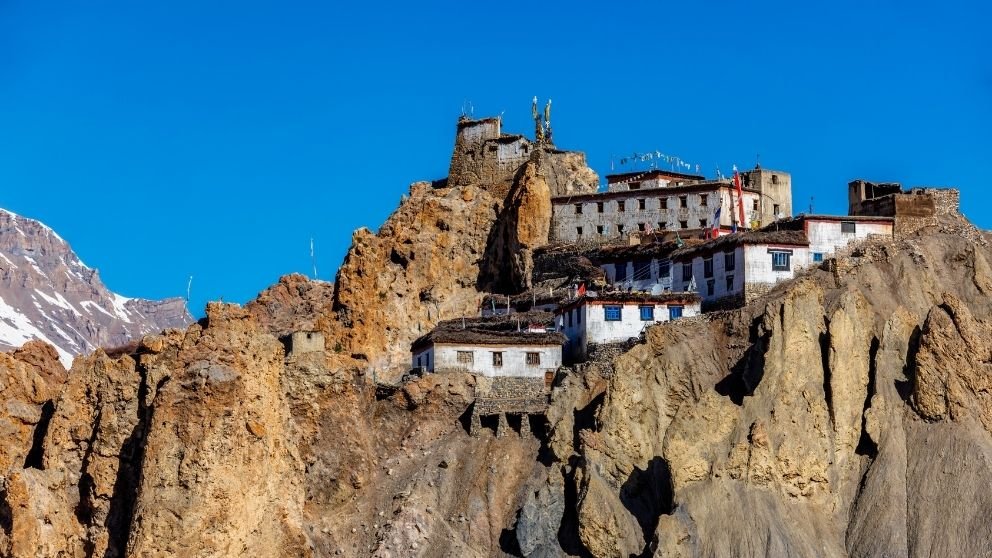
After breakfast, leave Tabo and head towards Dhankar Monastery.
Perched dramatically on a rocky cliff, Dhankar is one of the most remarkable monasteries in Spiti Valley.
The monastery overlooks the confluence area of the Spiti and Pin rivers, offering incredible panoramic views.
Dhankar also holds historical importance, as it once served as the capital of the former Spiti kingdom.
Spend some time exploring the monastery and enjoying the scenery before continuing towards Kaza.
Reach Kaza – The Heart of Spiti Valley
Kaza is the main administrative and commercial centre of Spiti Valley.
Surrounded by barren mountains, the town offers beautiful views, small cafés, local markets, and comfortable accommodation options.
After reaching Kaza, have lunch and continue towards Key Monastery if road conditions and your health permit.
Explore Key Monastery
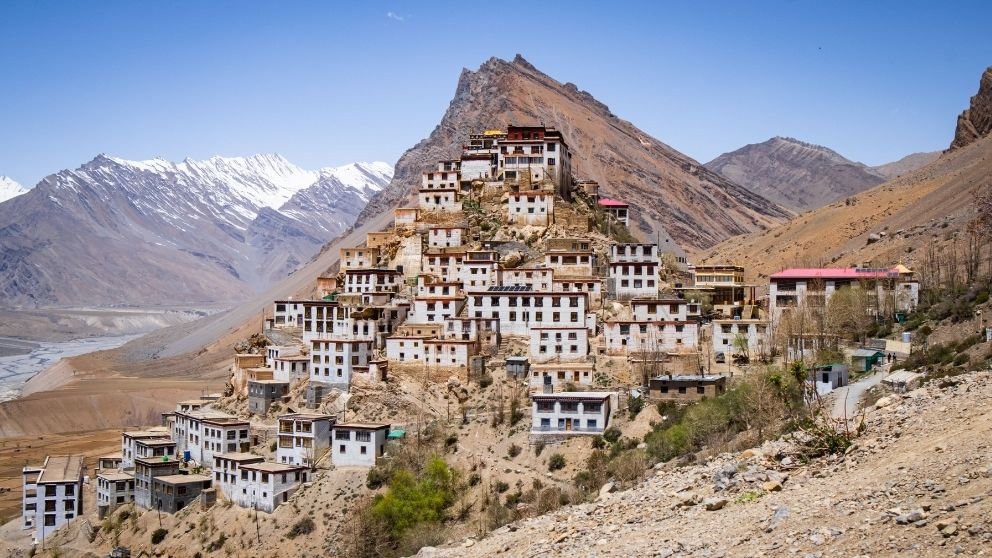
Located approximately 12 km from Kaza, Key Monastery is one of the most famous attractions in Spiti.
Built on a hill overlooking the valley, the monastery is known for its distinctive architecture, Buddhist traditions, and beautiful mountain views.
If time allows, you can also visit Kibber village, approximately 18 km from Kaza.
However, don’t rush to cover every attraction. These villages are at higher elevations, so sightseeing should depend on how well you’ve adjusted to the altitude.
Return to Kaza for an overnight stay.
Day 4: Kaza to Kalpa – Journey Back Through the Mountains
Distance: Approximately 200–215 km | Driving Time: 8–10 hours | Night Stay: Kalpa
After breakfast, begin your return journey towards Kinnaur.
You’ll retrace the scenic road through Tabo, Nako, and the Sutlej Valley.
Although you’re travelling along the same route, the mountains often look completely different depending on the light and weather.
This is a good opportunity to enjoy viewpoints or villages you may have missed while travelling towards Kaza.
Things to Remember
- Start your journey early in the morning.
- Fill your fuel tank before leaving Kaza.
- Take short breaks instead of rushing through the mountain roads.
- Keep additional travel time for unexpected road delays.
By evening, reach Kalpa and check into your accommodation.
If you’re fortunate enough to have clear weather, enjoy another beautiful evening overlooking the mountains.
Day 5: Kalpa to Shimla – End of Your Spiti Adventure
Distance: Approximately 240–250 km | Driving Time: 9–11 hours
Your final day begins with breakfast in Kalpa before heading back towards Shimla.
Follow the familiar route through Reckong Peo, Rampur Bushahr, and Narkanda.
The journey takes you from the rugged mountains of Kinnaur back towards the greener landscapes around Shimla.
Stop for lunch along the way and continue towards Shimla, ideally arriving by evening if road conditions are favourable.
Your five-day Spiti Valley road trip ends here, leaving you with memories of mountain roads, Buddhist monasteries, traditional villages, and some of the most spectacular Himalayan scenery.
Best Time for a 5-Day Spiti Valley Road Trip
Choosing the right season is especially important when you have only five days.
| Month | Travel Experience |
|---|---|
| April | Cold weather, possible snow and road disruptions |
| May–June | Generally favourable for a Shimla-side road trip |
| July–August | Monsoon-related landslide risks, particularly in Kinnaur |
| September | Often good visibility and attractive mountain scenery |
| October | Colder temperatures and an increasing chance of snowfall |
| November–March | Winter travel; not recommended for a tightly scheduled trip |
For a short itinerary, May, June, and September are generally preferable, subject to current road and weather conditions.
Himachal Tourism identifies April to October as a favourable period for visiting Spiti, though road access can change quickly.
Can You Visit Chandratal Lake in a 5-Day Spiti Itinerary?
Chandratal Lake is one of the most famous attractions in Spiti Valley, and many travellers want to include it in their journey.
However, we don’t recommend adding Chandratal to this particular five-day round trip from Shimla.
Chandratal is located towards Kunzum Pass, away from the main Shimla–Tabo–Kaza route.
Visiting the lake would require significant additional driving, and access depends on the seasonal opening of the Kunzum road.
If Chandratal, Manali, Chitkul, and the high-altitude villages around Kaza are important to you, consider a 7–8 day itinerary instead.
Important Travel Tips for Your 5-Day Spiti Road Trip
1. Start driving early: Mountain roads take longer than normal highways, and travelling during daylight is preferable.
2. Prepare for altitude: Kaza is above 3,500 metres. Ascend gradually, avoid heavy exertion initially, and discuss altitude precautions with your doctor before travelling. Don’t continue ascending if you develop symptoms of altitude sickness.
3. Carry enough cash: ATMs and digital payment facilities may not always be reliable in remote areas.
4. Download offline maps: Mobile coverage and internet connectivity can be limited in Spiti.
5. Carry warm clothing: Even during summer, mornings and evenings can be cold.
6. Check road conditions: Landslides, snowfall, and road maintenance can cause unexpected delays. The Shimla–Kaza route is approximately 412 km and is considered an almost all-weather connection, not a guaranteed year-round road.
7. Keep a buffer day if possible: A tight five-day itinerary leaves little room for road closures or unexpected changes.
Is a 5-Day Spiti Valley Trip Suitable for a Bike Ride?
Yes, but it’s better suited to experienced riders who are comfortable with long days on Himalayan roads.
A motorcycle journey through Spiti offers an entirely different experience compared with travelling by car. You’ll feel the changing temperatures, enjoy uninterrupted mountain views, and experience the roads much more closely.
However, riding 200–250 km on mountain roads can be physically demanding.
For riders planning a five-day trip, we recommend travelling light, wearing proper riding gear, ensuring the motorcycle is serviced, and avoiding unnecessary detours.
If you have limited mountain riding experience, a longer itinerary with shorter daily distances would be a better choice.
Frequently Asked Questions About a 5-Day Spiti Valley Itinerary
1. Are five days enough to explore Spiti Valley?
Five days are enough for a short road trip from Shimla to Kaza and back, covering selected attractions such as Kalpa, Nako, Tabo, Dhankar, and Key Monastery. However, you’ll need at least 7–8 days for a more relaxed experience with additional sightseeing.
2. How far is Spiti Valley from Shimla?
Shimla to Kaza is approximately 410–420 km via Kinnaur, Nako, and Tabo. The complete round trip, including some local sightseeing, is approximately 900–1,000 km.
3. Can beginners plan a Spiti Valley road trip in five days?
First-time visitors can plan this route, but it involves long travelling hours, narrow mountain roads, and high altitude. A locally experienced driver or organised tour is preferable if you’re unfamiliar with Himalayan driving conditions.
4. Can we include Chitkul in a five-day Spiti itinerary?
Chitkul can be included only by making the schedule more demanding or removing another stop. We recommend allowing additional days if you want to explore both Sangla Valley and Spiti comfortably.
5. Do Indian tourists need a permit to visit Spiti Valley?
Indian citizens generally don’t require an Inner Line Permit for the standard Shimla–Kaza tourist route. Foreign nationals travelling through certain protected areas of Kinnaur may require permits and should verify the latest regulations before departure.
6. Is the Shimla to Spiti Valley road open throughout the year?
The Shimla–Kinnaur route provides Spiti’s main almost all-weather road connection, but snowfall, landslides, and road damage can temporarily interrupt travel. Always check the latest road status before departure.
Final Thoughts: Is a 5-Day Spiti Valley Itinerary Worth It?
Absolutely, if you love road trips and understand that this will be a journey-focused adventure rather than a relaxed holiday.
From the green forests around Shimla to the dramatic landscapes of Kinnaur and the peaceful monasteries of Spiti, every day brings a different experience.
However, five days are relatively short for this region. You’ll spend considerable time travelling and have limited opportunities to explore the smaller villages.
If you can extend your holiday to seven or eight days, you’ll have a much better opportunity to experience Spiti without rushing.
Plan Your Spiti Valley Adventure with Spiti Riders
At Spiti Riders, we’re a local travel team that directly organises and manages Spiti Valley trips rather than simply acting as a third-party booking company.
Whether you’re planning a short road trip, a private group adventure, or a complete Spiti Valley motorcycle tour, our team can help you choose a practical itinerary based on your travel dates and preferences.